

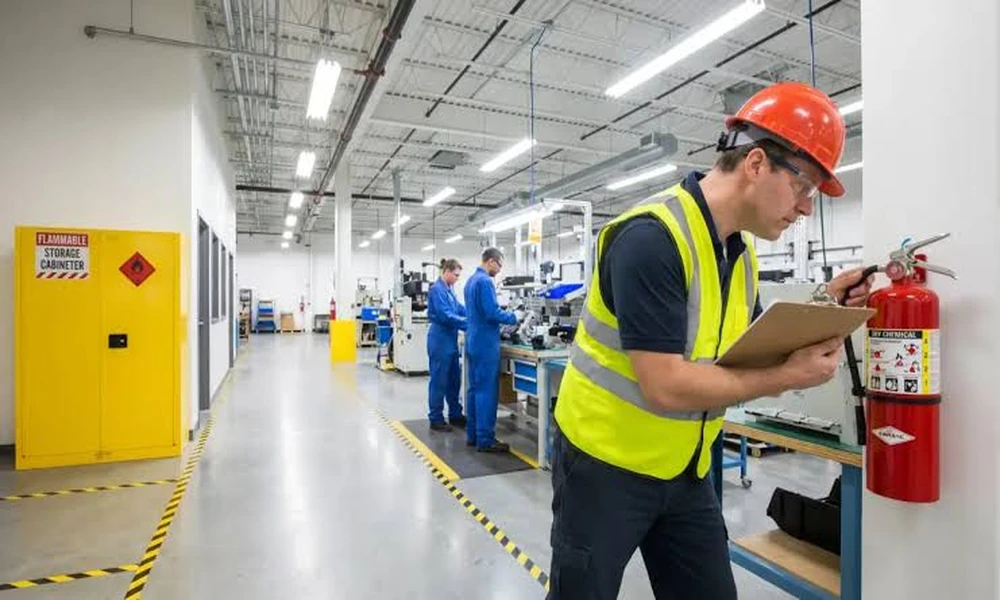
Hot work operations such as welding, soldering, torch cutting, and grinding are essential for modern construction and building maintenance. However, they are also among the leading causes of industrial and commercial fires. Sparks and slag can travel up to 35 feet, slipping into floor cracks, wall voids, or hiding near flammable materials where they can smolder unnoticed for hours.
For construction sites where welding, cutting, or other spark-producing activities are scheduled, arranging reliable hot work fire watch Malibu coverage can provide an added layer of protection during and after the operation. A trained fire watch professional can remain focused on the work area, identify sparks or heat reaching nearby combustible materials, and respond promptly to developing hazards. Planning this coverage alongside the hot work schedule helps site managers maintain consistent oversight without interrupting essential construction activities.
Implementing strict hot work fire watch procedures is your first line of defense to keep job sites safe, compliant, and protected from sudden disasters.
What Is a Hot Work Fire Watch?
A hot work fire watch involves assigning dedicated, trained personnel to monitor areas where high-heat work takes place. Their sole focus is identifying fire hazards, catching stray sparks, and acting instantly if a fire breaks out.
Fire watch guards are not there to assist with construction or perform general labor. Their only job during hot work operations is life safety and hazard monitoring.
Key Responsibilities Before Work Starts
Effective fire watch procedures begin long before the torch is lit. Prior to starting work, the fire watch monitor must:
- Inspect the Area: Clear a 35-foot radius around the work area of flammable liquids, paper, wood dust, and debris.
- Protect Fixed Hazards: Cover non-removable combustibles with certified fire-resistant blankets or shields.
- Verify Safety Equipment: Ensure portable fire extinguishers and emergency alert tools (like air horns) are fully charged, inspected, and within arm’s reach.
- Check the Permit: Confirm that an authorized Hot Work Permit is filled out, signed, and posted at the site.
Duties During Hot Work Operations
While welding or cutting is actively happening, the fire watch guard must maintain continuous visual contact with the work zone.
- Watch for Wandering Sparks: Track where sparks, slag, and heat travel, paying close attention to wall openings, open pipe chases, and floor drains.
- Stop Dangerous Work: If conditions become unsafe, such as a buildup of dangerous fumes or moving flammable materials nearby, the guard has the authority to stop work immediately.
- Sound the Alarm: If a fire starts that cannot be safely controlled with a single extinguisher pass, the monitor immediately triggers the building evacuation alarm and alerts emergency services.
The Critical 30-Minute Post-Work Monitoring
Many hot work fires don’t happen while the welder is present; they start after everyone has packed up and gone home. A smoldering ember hidden in insulation or dust can take 30 to 60 minutes to burst into open flames.
Safety codes mandate that the fire watch monitor remain on-site for at least 30 minutes after all hot work ends (and up to 60 minutes in high-risk facilities). During this period, the guard systematically inspects the area for subtle signs of smoke, odd smells, or rising wall temperatures.
Summary
Hot work fire watch is not just a regulatory box to check. It is a critical safety system that protects lives and prevents millions of dollars in property damage. By training personnel properly, site managers can ensure high-heat work gets done safely and smoothly.
