

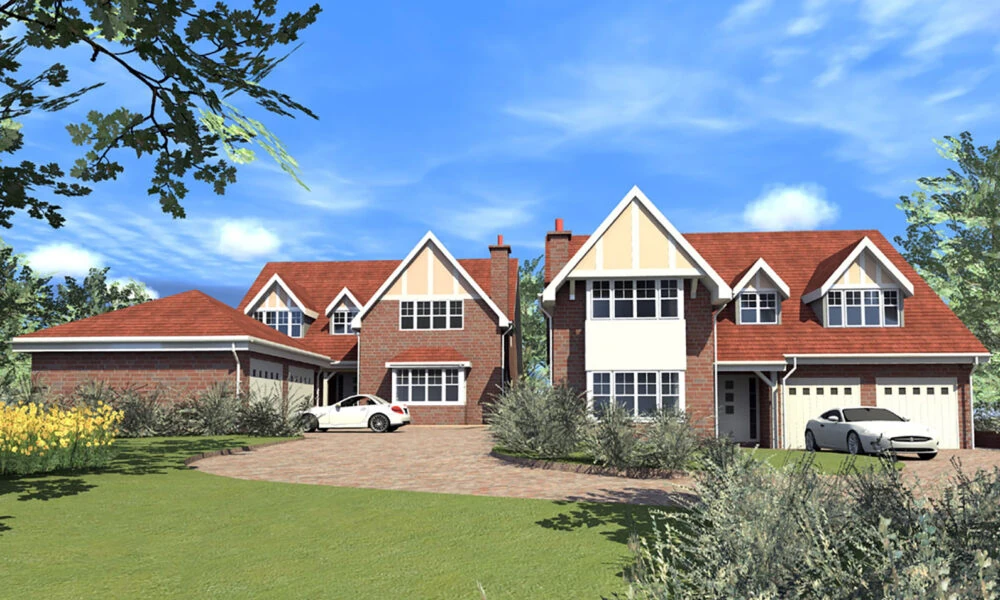
Paying for a home that hasn’t been built yet can feel strange at first, but the system is more manageable than it sounds. Rather than handing over the full amount upfront, buyers pay in portions that follow the progress of construction. For anyone looking at one chuan grove, understanding this schedule early makes it far easier to plan cash, CPF, and bank loan commitments. It also helps avoid nasty surprises when a large bill arrives near completion. Here’s how the stages typically work and what each one means for your finances.
The Upfront Commitment Before Construction Begins
The first payments are the ones that need the most cash on hand. When you receive the option to purchase, you pay a booking fee of 5 percent. Within about eight weeks, you sign the sale and purchase agreement and pay a further 15 percent, bringing the total to 20 percent. Stamp duties also fall due shortly after, so this period tends to be the most cash-heavy.
- Booking fee of 5 percent paid when the option is issued.
- A further 15 percent due when the sale agreement is signed.
- Buyer’s stamp duty and any additional stamp duty payable soon after.
How Payments Move With Each Building Stage
Once the initial 20 percent is paid, the remaining balance is billed as construction reaches certain milestones. The developer’s architect certifies each stage, and the developer’s lawyers then send a notice requesting payment. Because these milestones are spread across several years, the burden is staggered rather than concentrated.
- 10 percent at foundation completion and another 10 percent at the concrete framework.
- 5 percent each for partition walls, ceilings, wiring and plumbing, and car parks and roads.
- 25 percent when the Temporary Occupation Permit is issued.
- The final 15 percent upon the Certificate of Statutory Completion.
What Staged Billing Means for Your Monthly Loan
One advantage of this structure is that your bank only disburses loan money as each bill comes in. You pay interest only on what has been released, so repayments start low and increase gradually. When comparing the one chuan grove price with other launches, it’s worth modelling how repayments will change over the construction period rather than looking at the final figure alone.
- Early repayments are usually small because little of the loan is drawn.
- Repayments rise significantly after the permit stage payment.
- Interest rate changes during construction can affect monthly amounts.
Using CPF and Cash at the Right Moments
CPF Ordinary Account savings can be used for many of the instalments, but there are limits. For most buyers taking their first housing loan, at least 5 percent of the purchase price must be paid in cash. Keeping track of CPF withdrawal limits and cash reserves helps prevent last-minute shortfalls.
- Confirm your minimum cash requirement with your bank early.
- Check CPF balances before each major milestone.
- Keep a separate fund for renovation and moving costs.
Planning for Delays and Extra Costs
Construction timelines can shift, and that affects when bills arrive and when you can move in. Sale agreements usually include an expected completion date, along with provisions if the developer misses it. Even so, it’s sensible to plan for flexibility.
- Keep savings aside in case your current lease ends before completion.
- Budget for legal fees, valuation fees and furnishing costs.
- Review your loan package at completion for better refinancing options.
A staged payment plan rewards buyer who prepare early and track each milestone carefully. Understanding when large sums are due, how your loan grows, and where CPF fits in will make the journey from booking to key collection much smoother.
