

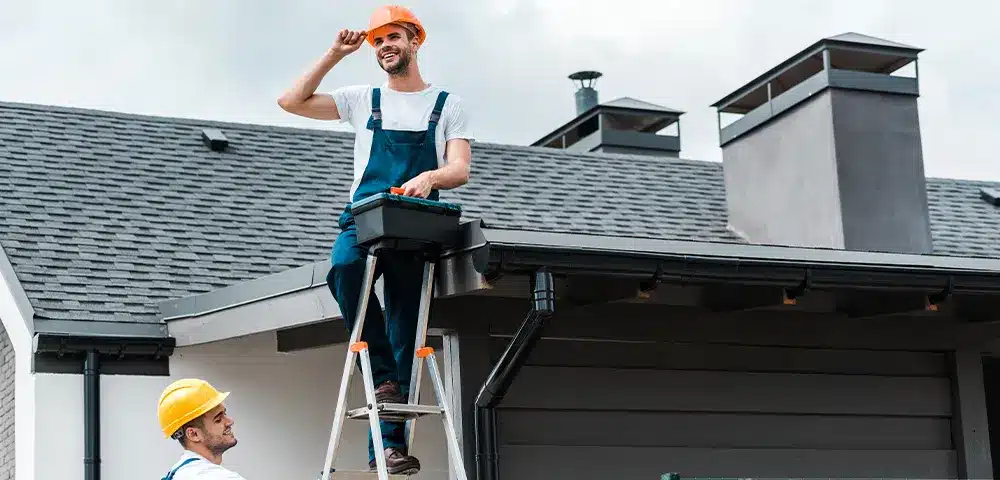
Your roof does a lot more than keep rain out of your house. In Austin, it also has to handle intense summer heat, strong thunderstorms, high winds, and occasional hail. These conditions can gradually wear down roofing materials, sometimes without leaving obvious signs from the ground. That is why roof inspections austin tx homeowners schedule regularly can be an important part of protecting their property and avoiding larger repair problems later.
The Texas Department of Insurance recommends having a roof inspected every few years as part of regular maintenance, while also advising homeowners to check for damaged or missing shingles after storms. Regular inspections can help identify small problems before they develop into leaks, structural damage, or premature roof replacement.
What Makes Roof Inspections Important in Austin?
Austin’s weather can be demanding on residential roofing systems. The city notes that severe weather can include thunderstorms, hail, straight-line winds, tornadoes, and flash flooding. Hail is particularly relevant because the entire Austin planning area can be exposed to hailstorms.
A roof may look perfectly fine from your driveway while still having damaged shingles, loosened flashing, exposed areas, or other problems that need attention. A professional inspection provides a closer look at the condition of the roofing system and can help homeowners understand whether maintenance, a repair, or more extensive work is actually necessary.
Regular inspections are especially useful after a major storm. Hail and wind damage are not always immediately noticeable, and waiting until water appears on the ceiling can mean the problem has already progressed. The Texas Department of Insurance recommends documenting storm damage and taking steps to prevent additional damage while dealing with an insurance claim.
Can Austin Heat Affect Your Roof?
Yes. Austin experiences periods of extreme summer heat, with temperatures reaching 100°F and higher. City officials issued extreme-heat guidance during the summer, including an event where temperatures around Austin were projected to reach 103°F with a heat index as high as 115°F.
Repeated exposure to intense heat can put stress on roofing materials over time. An inspection gives homeowners an opportunity to look for signs of deterioration before those conditions contribute to more significant problems.
This is also one reason roof maintenance should not be treated as something you only think about when a leak appears. A proactive inspection can help establish the current condition of the roof and identify areas that deserve attention.
What Does a Professional Roof Inspection Check?
A thorough inspection should look beyond the shingles that are visible from the street. Depending on the roofing system and the property’s condition, an inspector may examine the roof covering, flashing, penetrations, drainage areas, gutters, visible ventilation components, and other areas where water or weather-related problems can develop.
Common warning signs can include cracked, curled, missing, or deteriorated roofing materials. These are also among the roof conditions identified in Texas’ voluntary inspection standards.
An inspection can also help identify whether an apparent problem is minor or requires immediate attention. That distinction matters because not every aging roof needs to be replaced. Sometimes a targeted repair or maintenance work may be enough to extend the useful life of the existing system.
When Should Austin Homeowners Schedule a Roof Inspection?
There is no reason to wait for visible water damage before having the roof checked. A routine inspection every few years can help homeowners stay ahead of maintenance, while an additional inspection makes sense after significant hail or wind.
It can also be worthwhile when buying or selling a home, after noticing missing shingles or damaged flashing, or when a roof is approaching the later part of its expected service life.
Homeowners should also avoid inspecting steep or difficult-to-access areas themselves. Roofing surfaces can be slippery and unsafe, particularly after rain or severe weather. Having a qualified professional evaluate difficult areas can provide a more complete assessment without putting the homeowner at unnecessary risk.
How Can Regular Inspections Help Prevent Expensive Repairs?
Small roofing problems can become more complicated when they remain untreated. A damaged section can allow moisture to reach underlying materials, while problems around flashing or roof penetrations may eventually contribute to interior water damage.
Finding these issues early gives homeowners more options. Instead of dealing with an emergency leak during a storm, they may be able to schedule a repair at a convenient time and address the problem before it spreads.
Regular inspections can also provide useful documentation of the roof’s condition over time. If a homeowner keeps inspection findings, repair invoices, photographs, and other maintenance records, it becomes easier to understand how the roof has changed from one inspection to the next.
Why Choose an Austin Roofing Company for Your Inspection?
Local knowledge can be useful when evaluating a roof exposed to Central Texas weather. An experienced austin roofing company can recognize common signs of storm-related wear and explain what they find without automatically treating every issue as a reason for a complete replacement.
Homeowners should ask what the inspection includes and whether the findings will be documented with photographs or a written report. It is also reasonable to ask about the condition of individual roofing components and which problems need immediate attention versus routine maintenance.
If storm damage is suspected, homeowners should also understand their insurance policy before assuming a replacement will be covered. The Texas Department of Insurance notes that insurance generally does not pay for a new roof simply because it is old or worn out, while covered storm damage may be handled differently depending on the policy.
A professional inspection is therefore not just about finding problems. It is about getting accurate information about the roof so you can make maintenance and repair decisions based on its actual condition.
Frequently Asked Questions
How often should an Austin home have a roof inspection?
The Texas Department of Insurance recommends hiring a roof inspector every few years as part of ongoing roof maintenance. An additional inspection may be appropriate after significant hail, wind, or other severe weather.
Should I inspect my roof after a hailstorm?
Yes. Hail can damage roofing materials even when the damage is not obvious from ground level. Austin is exposed to hailstorms, so checking the roof after a significant storm can help identify problems early.
Can a roof inspection prevent leaks?
An inspection cannot guarantee that a roof will never leak, but it can identify existing damage, deteriorated materials, and other potential trouble spots before they contribute to more serious water intrusion.
Does an old roof automatically need replacement?
No. Age alone does not necessarily mean a roof needs immediate replacement. Its actual condition, previous repairs, storm damage, material deterioration, and remaining service life should all be considered.
What should I do if an inspection finds storm damage?
Document the damage with photographs and contact your insurance company if you believe the damage may be covered. The Texas Department of Insurance recommends documenting damage and taking reasonable steps to prevent further damage.
Regular roof inspections give Austin homeowners a practical way to stay ahead of the city’s demanding weather conditions. Instead of waiting for a ceiling stain or major leak to reveal a roofing problem, a professional inspection can provide an early look at what needs attention and what can safely wait.
