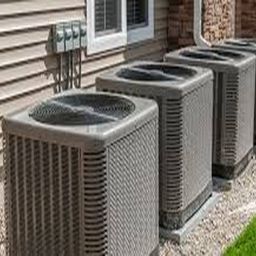
An aging air conditioner does not always fail without warning. Higher energy bills, uneven cooling, repeated repairs, and longer run times can all point to a system nearing the end of its useful life. Knowing these signs early gives homeowners time to compare options before a breakdown during hot weather.
An air conditioner can keep running long after it stops working efficiently. That makes replacement decisions difficult, especially when a repair seems cheaper at the moment. The better approach is to look at the system as a whole: its age, repair history, energy use, cooling performance, and reliability. If several warning signs appear together, an upgrade may offer better comfort and fewer unexpected expenses. Homeowners who are unsure where to begin can seek professional help with AC installation to assess the existing equipment, choose an appropriately sized replacement, and make sure the new system is installed correctly for dependable performance.
1. Your AC Is Getting Older
Age does not decide replacement by itself, but it is an important clue. An air conditioner that has been operating for more than a decade deserves closer attention, especially if repairs are becoming frequent or energy costs are rising. A well-maintained system may remain useful longer, so ask a technician to judge its condition, efficiency, and likely repair needs before making a decision.
2. Your Cooling Costs Keep Increasing
Higher summer electricity use can mean the AC is working harder to provide the same cooling. Dirty filters, duct leaks, thermostat problems, and overdue maintenance can create similar symptoms, so rising bills alone do not prove replacement is needed. Concern grows when higher costs appear with long cooling cycles, weak airflow, or rooms that remain uncomfortable.
3. Repairs Are Becoming Too Frequent
One repair rarely means an air conditioner must be replaced. Repeated service calls are more concerning, especially when costly parts begin failing on an older unit. Compare recent repair spending with the system’s age and reliability.
At this stage, professional help with AC installation can clarify the options. A qualified HVAC technician can assess cooling needs, compare repair and replacement, and recommend a system suited to the home rather than automatically matching the old unit.
4. Your Home No Longer Feels Comfortable
An AC may still run while struggling to keep the home comfortable. Uneven temperatures, frequent cycling, long run times, weak airflow, or poor humidity control deserve attention. These symptoms can come from the equipment, ducts, insulation, or airflow restrictions.
Have the full system checked before replacing anything. If repairable causes are ruled out and several comfort problems continue, an upgrade becomes a more practical long-term choice.
5. Planning Can Make Replacement Easier
Waiting for complete failure can leave little time to compare equipment. Planning early gives you space to review efficiency, budget, sizing, and installation requirements. A contractor should consider the home’s size, layout, insulation, duct condition, and cooling demand. Proper sizing and post-installation testing are essential for reliable comfort and efficient operation.
Frequently Asked Questions
Does an old AC always need to be replaced?
Not necessarily. Age is only one factor. Replacement becomes more reasonable when an older system also needs frequent repairs, uses more energy, or struggles to cool the home.
Is repairing an older air conditioner still worthwhile?
Yes, when the problem is minor and the system remains dependable. If failures keep returning or a major repair is needed on an aging unit, replacement may offer better long-term value.
Does uneven cooling always mean the AC is failing?
No. Duct leaks, airflow restrictions, insulation problems, and equipment issues can all create uneven temperatures. A professional inspection can identify the cause before replacement is recommended.
Key Takeaways
Replacing an air conditioner should be a planned decision, not a reaction to one bad day. Look at the full pattern: equipment age, rising energy use, repair frequency, uneven cooling, long run times, airflow, humidity control, and overall reliability. A single symptom may point to a repair, but several recurring problems often suggest that continued spending on an aging unit is no longer the best choice.
Have the system inspected before making the final call, and compare the cost of another repair with the likely value of a new, properly sized system. Planning replacement before a complete breakdown gives you more time to review efficiency, comfort needs, and budget. That preparation can reduce pressure and make the upgrade easier to manage. When the evidence points toward an upgrade, professional help with AC installation can make sure the replacement is selected carefully, installed correctly, tested properly, and prepared to deliver dependable cooling for the seasons ahead.
=======================================================