

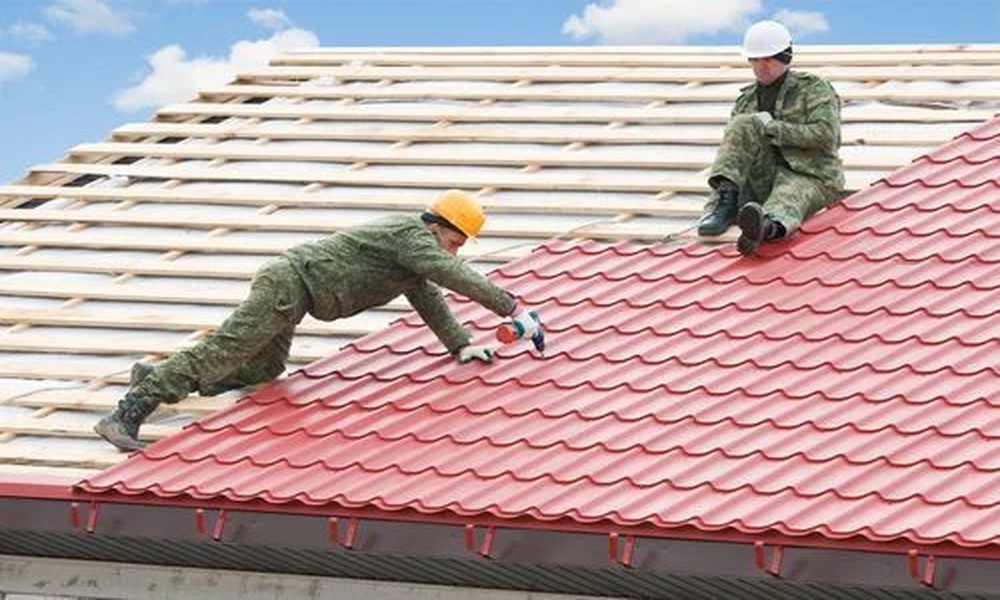
Water damage usually starts with small holes that are not noticed in the initial stages of the building. These apertures enable slow entry of moisture, which creates structural problems over time if it is not addressed. Constructors are now more concerned with closing up areas that are prone to attacks with materials that have a good guarantee. The flashing tape is one of these solutions that protects against water intrusion in important joints. It is popular along openings, joints, and edges, where the risk of leakages is great. Sealing also prevents surface damage, but also enhances the durability of various building environments in the long run.
What is the effect of sealing to keep the water out?
Clogging prevents water flow by joints and thereby hinders the occurrence of concealed damages within walls and the stability of structures in the changing weather conditions.
How does factor tape make a barrier?
This material is a tight coating of surfaces, and t hus, it washes away any water that would have infiltrated the cracks, and on the other hand, it ensures that joints are not exposed to moisture in the long run.
What is the significance of joint protection?
These are joints, which are vulnerable and through which water can penetrate, and this then causes damage to the whole structure in the long run.
What are the key usage benefits?
Proper use improves sealing performance in structures.
• Helps block water entry at joints, which reduces hidden damage risks across surfaces over extended periods.
• Supports long-lasting protection which keeps structural strength stable under varying environmental conditions over time.
• Reduces repair frequency which saves effort while maintaining consistent surface protection against moisture exposure effectively.
Why does flexibility improve sealing?
Flexible material adjusts to uneven surfaces which ensures full coverage across joints without leaving spaces where water might collect or pass through easily.
How does weather resistance support durability?
Resistance to moisture, heat, and cold helps maintain sealing strength, which protects structures from damage caused by environmental changes over long periods.
Why is early installation effective?
Applying sealing materials during the early stages reduces future repair needs, which saves time and effort while ensuring protection remains consistent from the beginning.
How does it protect openings?
Openings around windows or doors are common leak points that require proper sealing to stop water from entering the structural layers.
Why is long-term protection needed?
Long-lasting protection reduces maintenance needs, which helps keep structures stable while preventing repeated damage caused by water exposure.
How does maintenance become easier?
Proper sealing reduces the need for frequent repairs, which allows maintenance work to remain simple and less time-consuming over the life of the structure.
Why do builders prefer sealing solutions?
Reliable sealing materials provide consistent performance, which supports structural safety while reducing risks linked to water damage in different conditions.
How does cost saving occur?
Preventing damage early reduces repair expenses, which makes sealing methods a practical choice for maintaining building quality over time.
Why is the correct application necessary?
Correct placement ensures full coverage, which avoids weak spots where water might enter and cause hidden damage over time.
Effective sealing systems assist in preserving the structural integrity by preventing moisture in the most important areas where damage may start. When properly applied and with a proper choice of material safe, the surfaces can always be left safe throughout the years without recurring repairs. Aggressive sticking properties, elasticity, and strength help in sustainable operation under varying conditions. Appropriate flashing tape helps to provide a reliable shield that avoids unnoticed damage and enhances the overall strength. Regular checking and prompt implementation is an easy ways of keeping stable and safe structures without involving undue complexities.
