

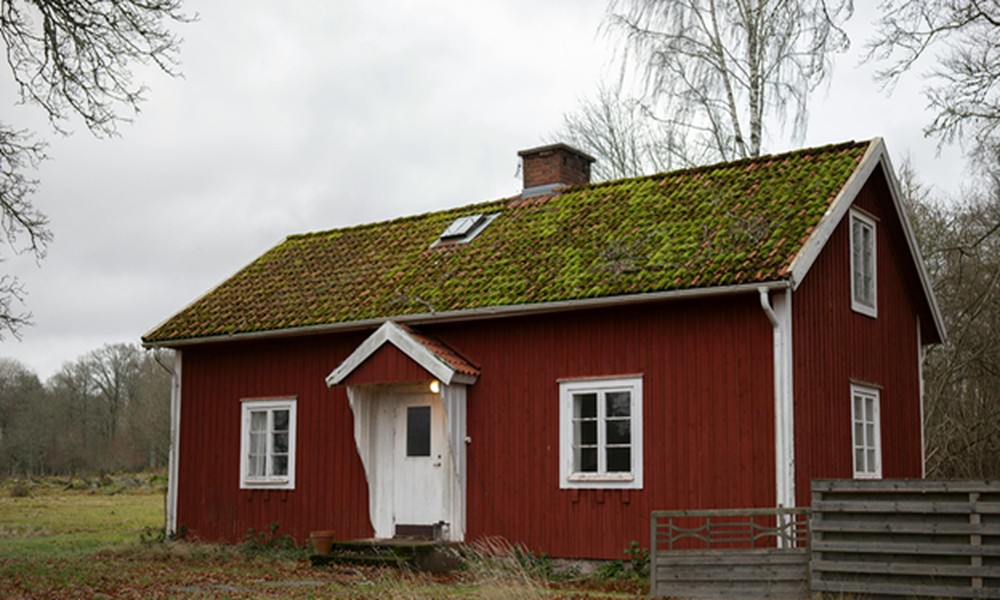
Investing in a gutter protection system is one of the smartest decisions a homeowner can make to eliminate the tedious, dangerous chore of cleaning out muck and debris. However, if your home features an older roof, you cannot approach this project with a one-size-fits-all mentality. Older roofs have unique vulnerabilities-aged shingles, brittle underlayment, and weathered fascia boards-that must be handled with care.
Installing the wrong type of guard, or using an improper installation method, can inadvertently compromise your roof’s integrity and void your manufacturer’s warranty. Before you move forward with upgrading your home’s water management system, make sure you ask these five crucial questions.
1. How Will the Installation Affect My Current Roof Warranty?
This is the single most important question to ask before a single piece of hardware is attached to your home. Many traditional gutter guards require the installer to slide the back edge of the guard underneath the first or second row of shingles.
On a brand-new roof, this might be fine. But on an older roof, lifting aged shingles can cause them to crack, break, or lose their crucial asphalt granules. More importantly, many shingle manufacturers explicitly state that manipulating or prying up shingles after they have settled voids the wind and water-penetration warranties.
Look for low-profile gutter guards that mount directly to the lip of the gutter and the fascia board, completely bypassing the shingle layer altogether. This ensures your roof remains completely untouched and your warranty stays intact.
2. Can the Existing Gutters Handle the Weight of the New Guards?
Gutter guards are only as stable as the gutters supporting them. Over time, older gutter systems can develop sagging sections, loose spikes, or weakened brackets due to years of handling heavy snow loads and torrential downpours.
If you install a heavy, premium aluminum or steel guard onto a system that is already pulling away from the house, you are accelerating a structural failure. Before adding guards, the entire existing gutter system must be rigorously inspected. Hangers may need to be tightened, spikes replaced with heavy-duty structural screws, and the pitch adjusted to ensure water flows efficiently toward the downspouts.
3. What Happens to the Drip Edge and Water Flow?
A drip edge is a L-shaped metal flashing installed along the edge of your roof to direct water away from the fascia and into the gutter. On older homes, the drip edge might be weathered, misaligned, or even entirely missing.
When you install gutter filters, the water’s path changes slightly. If the guard sits too high or disrupts the natural line of the drip edge, water can back up under the shingles or overflow behind the gutter, rotting the wooden fascia boards and soffits. You must ask your installer how the guard interacts with the roof’s edge. A proper installation should seamlessly slip beneath or sit just under the drip edge, ensuring that even during a heavy downpour, water sheets cleanly into the mesh without spilling backward.
4. Is the Guard Material Optimized for My Specific Roof Style and Local Debris?
Older homes often feature unique architectural elements, steeper pitches, or are surrounded by mature, decades-old trees. The type of guard you choose must match these specific variables.
For example, if your older home is shaded by massive oak, pine, or maple trees, cheap plastic or slotted vinyl guards will quickly fail. Pine needles and seed pods will easily slide into the slots, creating an internal clog that is incredibly difficult to clean. For older roofs, micro-mesh guards made of durable, recycled aluminum are generally preferred. They offer a low profile that doesn’t detract from the historic charm of an older home, and the mesh is fine enough to block everything except pure water.
5. Does My Installer Have Specific Experience with Older Structural Challenges?
Working on a home built twenty, thirty, or fifty years ago requires a different level of craftsmanship than working on new construction. Fascia boards might look fine from the ground but harbor hidden dry rot. The rafter tails might be spaced irregularly, or the roofline itself may have settled unevenly over time.
You need a team that knows how to identify these challenges before screwing guards into place. Asking about their experience with older homes will give you peace of mind that they won’t just mask an existing problem, but will fix the root cause before installing your new system.
The Bottom Line: Gutter guards are an excellent investment that extends the life of your gutters and protects your foundation. However, on an older roof, a rushed, unvetted installation can lead to costly structural headaches.
Take your time, inspect your roofline, and prioritize non-invasive mounting methods. If you are ready to protect your home against future water damage, start your search by looking for a top-rated gutter guard installation near me to find a qualified professional who understands the unique needs of older properties.
