Your heating and cooling system works quietly in the background, keeping your home comfortable through every season. Yet many homeowners only pay attention to it when something goes wrong. A sudden breakdown during peak summer heat or winter chill is not just inconvenient-it can be expensive and stressful. What if you could avoid these surprises while also lowering your energy bills? That is where a proactive approach makes all the difference.
A well-structured maintenance routine is no longer optional. With rising energy costs and increasing strain on HVAC systems due to changing weather patterns, regular care has become essential. Investing in a reliable HVAC maintenance plan helps ensure your system runs efficiently, lasts longer, and performs when you need it most.
Why HVAC Efficiency Matters More Than Ever
Energy efficiency is not just about saving money; it is about maintaining consistent comfort while reducing environmental impact. Heating and cooling systems account for a significant portion of household energy use, which is why following a consistent HVAC maintenance plan is essential for optimal performance. When these systems are not maintained, they consume more power to deliver the same results.
A neglected unit often struggles with airflow issues, clogged filters, or worn components. Over time, this leads to uneven temperatures, higher utility bills, and unnecessary wear and tear. By keeping your system in peak condition, you not only reduce operational costs but also create a healthier indoor environment.
The Hidden Cost of Skipping Maintenance
It is easy to overlook maintenance when your system seems to be working fine. However, small issues often develop silently. Dust buildup, minor leaks, or loose connections may not cause immediate problems but can escalate quickly.
For example, a dirty air filter restricts airflow, forcing the system to work harder. This extra strain increases energy consumption and accelerates component wear. Similarly, refrigerant imbalances can reduce cooling efficiency and eventually damage the compressor-one of the most expensive parts to replace.
Routine maintenance helps identify these issues early, preventing costly repairs and extending the life of your equipment.
What a Maintenance Plan Typically Covers
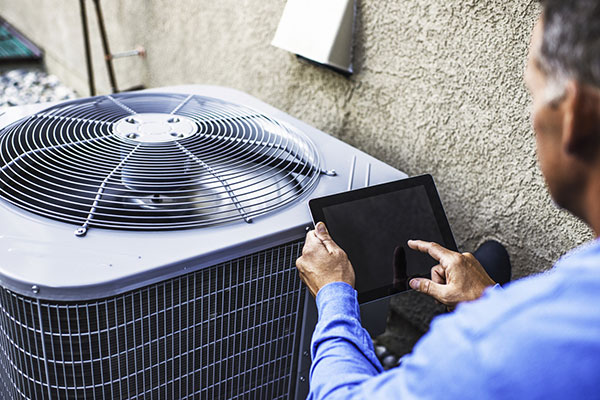
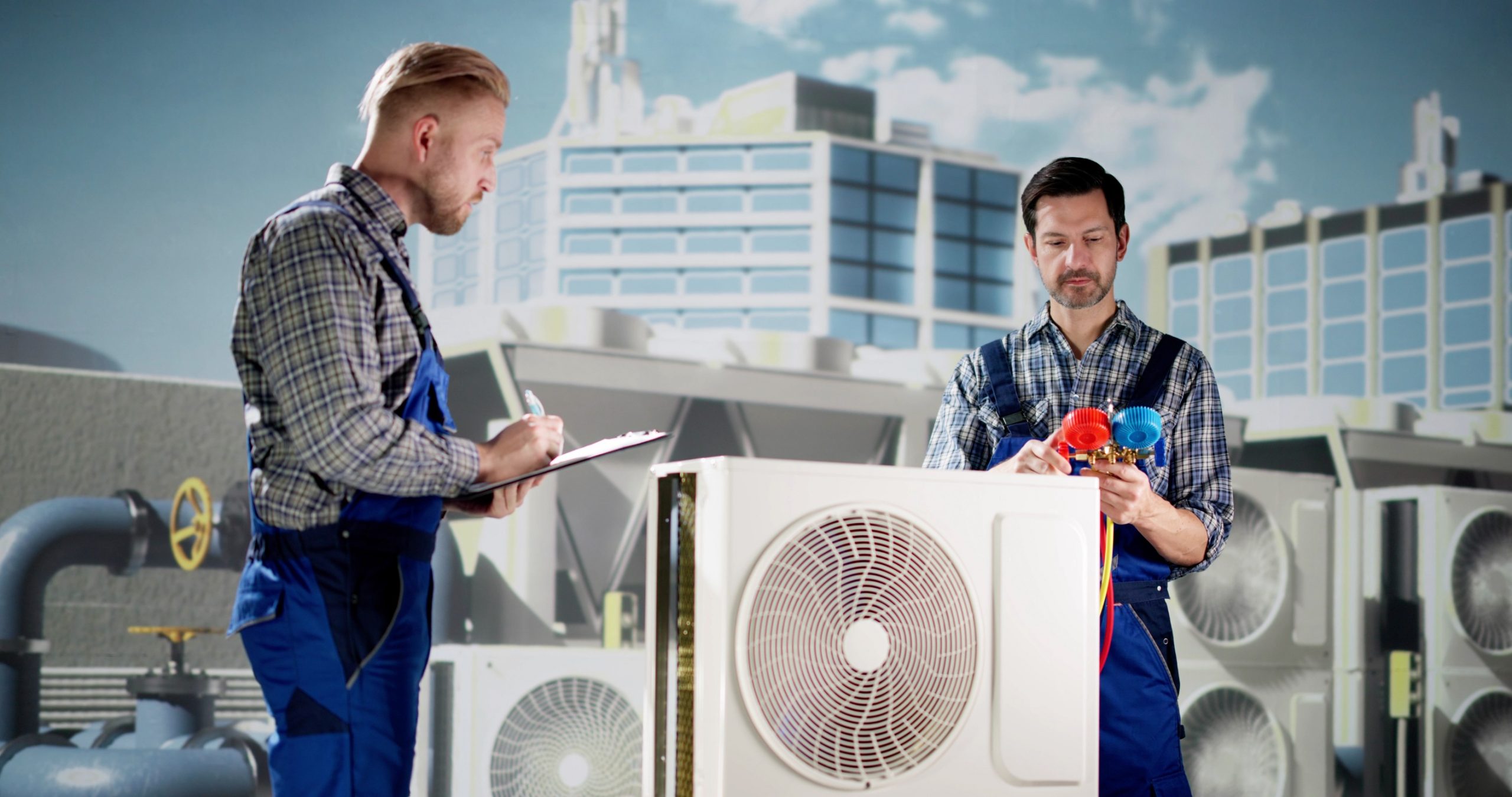
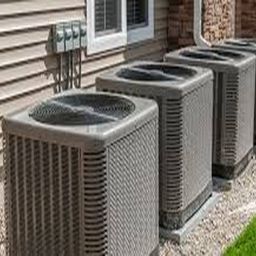
A professional maintenance plan goes beyond basic cleaning. It involves a comprehensive inspection and tuning of your entire system. Technicians check key components such as coils, filters, electrical connections, and thermostats to ensure everything functions properly.
Seasonal servicing is particularly important. Before summer, cooling systems are inspected to handle high temperatures efficiently. Before winter, heating components are tested to ensure reliable performance. This proactive approach keeps your system prepared for changing conditions.
In addition, regular servicing improves air quality. Clean filters and ducts reduce the circulation of dust, allergens, and pollutants, creating a healthier indoor space for you and your family.
Improved Comfort and Consistency
One of the most noticeable benefits of regular maintenance is consistent indoor comfort. When your HVAC system operates efficiently, it maintains stable temperatures without frequent fluctuations.
Without maintenance, you may experience hot and cold spots, uneven airflow, or longer cooling and heating cycles. These issues not only affect comfort but also signal inefficiencies within the system. A well-maintained unit distributes air evenly, responds quickly to temperature changes, and operates quietly.
This level of performance enhances your overall living experience, especially during extreme weather conditions.
Extending the Lifespan of Your System
HVAC systems are a significant investment, and replacing them prematurely can be costly. Regular maintenance plays a crucial role in protecting this investment.
When components are cleaned, lubricated, and inspected regularly, they experience less strain. This reduces the likelihood of major breakdowns and extends the system’s operational life. Many systems that receive consistent care can last several years longer than those that are neglected.
Think of maintenance as a way to maximise value. Instead of facing unexpected replacement costs, you can enjoy reliable performance for years.
Energy Savings That Add Up Over Time
Efficiency directly impacts your energy bills. A well-maintained system uses less energy to achieve the same level of comfort. Even small improvements in efficiency can lead to noticeable savings over time.
For instance, a system running at peak efficiency can reduce energy consumption by a significant margin compared to one struggling with clogged filters or worn components. Over the course of a year, these savings can offset maintenance costs, making it a financially sound decision.
In addition, many modern maintenance plans include performance checks that help optimize system settings, further enhancing efficiency.
Peace of Mind Through Preventive Care
Perhaps the most valuable benefit of a maintenance plan is peace of mind. Knowing that your system is regularly inspected and serviced reduces the risk of unexpected breakdowns.
This is especially important during peak seasons when HVAC professionals are in high demand. Preventive care ensures your system is ready before extreme weather arrives, helping you avoid long wait times for repairs.
Homeowners who prioritize maintenance often experience fewer emergencies and greater confidence in their system’s reliability.
Conclusion
Keeping your heating and cooling system efficient is not about reacting to problems-it is about preventing them. A structured maintenance plan ensures your system operates at its best, delivering consistent comfort, lower energy costs, and long-term reliability.
By taking a proactive approach, you protect your investment, improve indoor air quality, and reduce the risk of costly repairs. In a world where energy efficiency and comfort matter more than ever, regular HVAC maintenance is a practical and essential choice.