

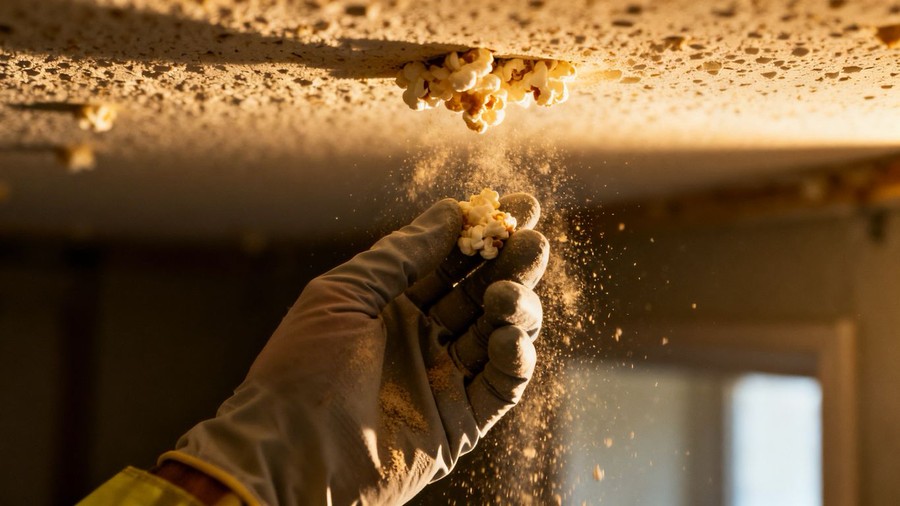
The Silent Threat of Asbestos Fibers
Asbestos is a naturally occurring mineral that was once widely used in building materials due to its strength and heat resistance. From the 1940s through the 1980s, it was common to find asbestos in insulation, flooring, roofing, and textured paints like those found on popcorn ceilings. While asbestos itself isn’t dangerous when undisturbed, its microscopic fibers can become airborne when materials containing it are damaged or disturbed. This often happens during renovations, repairs, or even due to natural wear and tear over time. Once these fibers are released into the air, they pose a significant health risk.
Health Implications of Exposure
Inhaling airborne asbestos fibers can lead to serious, long-term health problems. The sharp, durable fibers can become lodged in the lungs and other tissues. Over many years, this can result in severe respiratory diseases:
- Mesothelioma: A rare but aggressive cancer that affects the lining of the lungs, abdomen, or heart.
- Asbestosis: A chronic lung disease causing scarring of lung tissue, leading to breathing difficulties.
- Lung Cancer: Asbestos exposure significantly increases the risk of developing lung cancer, especially for individuals who also smoke.
It is important to note that symptoms of these diseases often do not appear for 20 to 50 years after initial exposure, making early detection and prevention vital.
Why Proactive Identification is Crucial
Given the severe health consequences and the long latency period for asbestos-related diseases, proactive identification of asbestos-containing materials (ACMs) in residential properties is extremely important. Simply put, you cannot manage a risk you are unaware of. If your home was built before 1989, there’s a chance it contains asbestos. Planning renovations, demolitions, or even dealing with property damage from events like fires or floods can disturb these materials, releasing fibers into your living environment. Therefore, understanding the potential presence of asbestos and taking steps to identify it before any disruptive work begins is key to protecting the health and safety of everyone in the household.
Identifying Potential Asbestos-Containing Materials
Many older homes, particularly those built before the 1980s, may contain asbestos in various building materials. Recognizing these potential sources is the first step in managing the associated risks. While visual identification alone isn’t definitive, certain materials and locations are more commonly associated with asbestos.
Common Locations in Older Homes
Asbestos was widely used for its insulating and fire-resistant properties. You might find it in:
- Insulation: Including attic insulation, pipe wrap, and insulation around boilers and furnaces.
- Flooring: Vinyl floor tiles and the adhesive used to secure them.
- Roofing and Siding: Cement sheets, shingles, and felt.
- Textured Paints and Coatings: Often found on walls and ceilings.
Popcorn Ceilings and Drywall Compounds
Popcorn ceilings, also known as acoustic ceilings, are a frequent suspect for asbestos. These textured finishes were popular for their aesthetic appeal and sound-dampening qualities. The spray-on application method made it easy to incorporate asbestos fibers for added strength and fire resistance. Similarly, drywall joint compounds, used to cover seams between drywall panels and for decorative texturing, could also contain asbestos. If your home was built before 1989, these materials warrant careful consideration. The presence of asbestos in these areas is not always visible to the naked eye; it’s a microscopic component that requires professional testing for confirmation. For instance, materials like Artex, a common textured coating, are known to sometimes contain asbestos.
Other Suspect Building Materials
Beyond ceilings and drywall, other areas to be aware of include:
- Asbestos cement board: Used for various construction purposes.
- Stucco and exterior finishes: Applied to the outside of buildings.
- Gaskets and seals: Found in older appliances and heating systems.
- Fireproofing materials: Applied to structural elements for fire safety.
The Necessity of Professional Asbestos Testing
Why DIY Testing is Not Advised
Attempting to test for asbestos yourself is strongly discouraged. While the idea of saving money might be tempting, the risks involved far outweigh any potential savings. Asbestos fibers are microscopic and easily become airborne when disturbed. Without specialized training and equipment, a homeowner could inadvertently release these dangerous fibers into the air, contaminating living spaces and posing a serious health risk to everyone in the household. The process of collecting a sample requires careful handling to prevent fiber release, a skill set possessed by trained professionals. Never try to collect a sample yourself.
The Role of Certified Inspectors
Certified asbestos inspectors are trained to identify materials that may contain asbestos and understand the proper procedures for safe sample collection. They have the knowledge to recognize suspect materials based on their age, location, and appearance, which is particularly important for materials like popcorn ceilings and drywall compounds. These professionals are equipped with the necessary personal protective equipment (PPE) and tools to minimize disturbance and prevent fiber release during the sampling process. Their involvement is critical for accurate identification and to avoid creating a hazardous situation. You can find accredited professionals through various regulatory bodies or by asking for proof of certification.
Ensuring Safety During Sample Collection
Safety is paramount when dealing with potential asbestos-containing materials. Certified inspectors follow strict protocols to ensure the safety of both themselves and the property occupants. This typically involves:
- Isolation of the work area: The space where the sample will be taken is often sealed off to prevent any airborne fibers from spreading.
- Wetting the material: Before a sample is collected, the suspect material is usually dampened. This helps to keep the fibers from becoming airborne during the cutting or scraping process.
- Careful removal of a small sample: Only a small piece of the material is needed for laboratory analysis. This sample is then carefully placed into a sealed container, such as a plastic bag or vial, to prevent any fiber release during transport. The area is then cleaned and secured. This meticulous approach is why professional testing is the only safe way to determine if asbestos is present in materials like popcorn ceilings.
The Asbestos Testing Process Explained
When you suspect asbestos might be present in your home, understanding the testing process is key. It’s not something you can just eyeball; it requires careful steps to get accurate results and keep everyone safe.
Sample Collection Protocols
The first part of testing involves taking samples. This isn’t a DIY job because disturbing asbestos-containing materials (ACMs) can release dangerous fibers. Certified inspectors follow strict procedures to collect these samples safely. They’ll typically:
- Isolate the area where the suspect material is located to prevent any fibers from spreading.
- Dampen the material slightly. This helps keep dust and fibers from becoming airborne during the collection.
- Carefully collect a small piece of the material using specialized tools.
- Seal the sample in an airtight container and label it clearly with details about where it came from.
The goal is to get a representative sample without creating a hazard.
Laboratory Analysis Methods
Once collected, the samples are sent to an accredited laboratory. The most common method used for analyzing these samples is Polarized Light Microscopy (PLM). This technique allows trained technicians to:
- Examine the sample under a microscope.
- Identify the specific minerals present, including asbestos types.
- Determine the percentage of asbestos within the material.
This detailed analysis is what provides the definitive answer on whether asbestos is present and in what quantity.
Interpreting Test Results
After the lab analysis, you’ll receive a report detailing the findings. Any amount of asbestos over 0.5% is generally considered unsafe and requires action. The report will specify:
- Whether asbestos was detected.
- The type of asbestos found (e.g., chrysotile, amosite, crocidolite).
- The percentage of asbestos in the sample.
Based on these results, a plan can be developed. If asbestos is present, professionals will recommend appropriate steps, which could range from careful monitoring to full abatement (removal), depending on the material’s condition and location.
When to Consider Asbestos Testing in Homes
Planning Renovations or Demolitions
If you’re thinking about making changes to your home, especially older ones, testing for asbestos is a really good idea. Before you start tearing down walls or changing up the ceiling, you need to know what you’re dealing with. Disturbing asbestos-containing materials (ACMs) can release dangerous fibers into the air, and you don’t want that happening accidentally. This is particularly true if your house was built before 1989, when asbestos was commonly used in building supplies. Getting a professional to test materials like popcorn ceilings or drywall compounds can prevent a small project from turning into a major health hazard. It’s a necessary step to ensure the safety of everyone involved in the work and those who live in the home.
Responding to Property Damage
Sometimes, unexpected events like fires or significant water leaks can damage parts of your home. If these events affect materials that might contain asbestos, like textured ceilings or old insulation, it’s important to get them checked. When these materials are compromised, asbestos fibers can become airborne. You can’t tell just by looking if asbestos is present, so professional testing is the only way to be sure. This testing helps determine the extent of the contamination and what steps need to be taken for safe cleanup and repair. It’s about protecting your health after an incident.
Routine Property Assessments
Even if you’re not planning any immediate renovations or dealing with damage, it’s wise to consider asbestos testing as part of regular home maintenance, especially for older properties. Think of it like a check-up for your house. If you’ve recently purchased an older home or are simply looking to be proactive about your family’s health, understanding what materials are in your home is key. A professional inspection can identify potential asbestos-containing materials, such as those found in popcorn ceilings and drywall compounds, giving you peace of mind. This proactive approach allows for informed decisions about your home’s environment.
Choosing Qualified Professionals for Testing
When dealing with potential asbestos in your home, especially in materials like popcorn ceilings or drywall compounds, it’s really important to get the right people involved. Trying to test for asbestos yourself isn’t a good idea. The materials can be tricky to identify, and if you disturb them incorrectly, you could release dangerous fibers into the air. That’s why hiring certified professionals is the way to go.
Accreditation and Certification Requirements
First off, you want to make sure the people you hire are properly accredited and certified. This isn’t just a formality; it means they’ve gone through specific training and met certain standards for asbestos testing. Look for certifications from recognized bodies. This shows they know the rules and how to follow them safely. It’s like hiring a licensed electrician for wiring – you want someone who knows what they’re doing.
Experience in Asbestos Identification
Beyond just having the right paperwork, you need professionals with actual experience. Asbestos can hide in many different building materials, and knowing what to look for, where to look, and how to take samples without causing problems takes practice. A company that has been doing this for a while will likely have a better handle on identifying suspect materials and understanding the risks involved in your specific situation. They’ve probably seen a lot of different homes and encountered various types of asbestos-containing materials.
Understanding Regulatory Compliance
Asbestos is a regulated substance, and there are specific laws and guidelines about how it should be tested, handled, and removed. Qualified professionals understand these regulations inside and out. They know the proper protocols for:
- Sample Collection: How to take samples safely and correctly so they can be analyzed properly.
- Laboratory Analysis: Sending samples to accredited labs that use approved methods.
- Reporting: Providing clear and accurate reports on the findings.
- Disposal: If asbestos is found, they know how to manage its disposal according to legal requirements.
This attention to regulatory compliance is key to making sure the job is done right and that you aren’t exposed to unnecessary risks or legal issues down the line.
Next Steps After Asbestos is Detected
Discovering asbestos in your home can be unsettling, but knowing what to do next is key to maintaining a safe living environment. Once a laboratory confirms the presence of asbestos-containing materials (ACMs), the focus shifts to a well-defined plan for management and removal. The primary goal is to prevent the release of harmful fibers into the air. This requires a systematic approach that prioritizes safety and regulatory compliance.
Developing a Compliant Abatement Strategy
Following a positive test result, the immediate next step involves creating a detailed plan for addressing the asbestos. This strategy must align with federal, state, and local regulations governing asbestos abatement. Key components of this strategy typically include:
- Identifying the extent of the contamination: This involves mapping out all areas where ACMs have been identified and assessing their condition.
- Determining the appropriate removal method: The type of ACM, its location, and the amount present will dictate the safest and most effective removal techniques.
- Selecting a qualified asbestos abatement contractor: This is a critical decision, as the contractor must be licensed, certified, and experienced in handling asbestos safely.
- Establishing a timeline for the work: A clear schedule helps manage expectations and coordinate with other property activities.
Safe and Controlled Removal Procedures
The actual removal of asbestos is a highly specialized process that demands strict adherence to safety protocols. Abatement professionals employ several measures to minimize risk during this phase:
- Containment: The work area is sealed off using plastic sheeting and barriers to prevent asbestos fibers from spreading to other parts of the building. Negative air pressure systems are often used to ensure any airborne particles are captured.
- Wetting: Suspect materials are kept wet throughout the removal process. This helps to bind the asbestos fibers together, significantly reducing the chance of them becoming airborne.
- Personal Protective Equipment (PPE): Workers wear specialized gear, including respirators and disposable suits, to protect themselves from fiber exposure.
- Careful Removal: Materials are removed gently and methodically, avoiding aggressive actions that could dislodge fibers. They are immediately placed into sealed, labeled disposal bags.
- Thorough Cleaning: After removal, the entire area is meticulously cleaned using HEPA-filtered vacuums and wet wiping techniques to capture any residual dust.
Post-Abatement Clearance Testing
Once the physical removal and cleaning are complete, a crucial final step is clearance testing. This involves independent air monitoring conducted by a third-party professional, separate from the abatement team. Air samples are taken from the work area to confirm that asbestos fiber levels have returned to safe, acceptable limits as defined by regulatory standards. Only after a satisfactory clearance report is issued can the containment barriers be removed, and the area be deemed safe for re-occupancy and further renovation or construction.
